Mini War Strategy Guides - From Beginner to Competitive Play
The Mini War Guides section provides structured learning paths for players at every skill level. From the foundational Beginner Guide that covers core mechanics, to specialized guides on economy optimization, military strategy, territory expansion, and technology research, each guide is written with the analytical depth of a competitive RTS strategy manual.
Guides are designed to build understanding progressively. The Beginner Guide establishes core concepts that the specialized guides then expand upon. Players who work through all five guides develop a complete strategic plan that applies to every game situation. For applied strategy execution, pair these guides with the strategy archetypes and build orders.
Available Guides
Beginner Guide
Comprehensive introduction to Mini War covering core mechanics, basic strategy, economy fundamentals, and your first competitive build order.
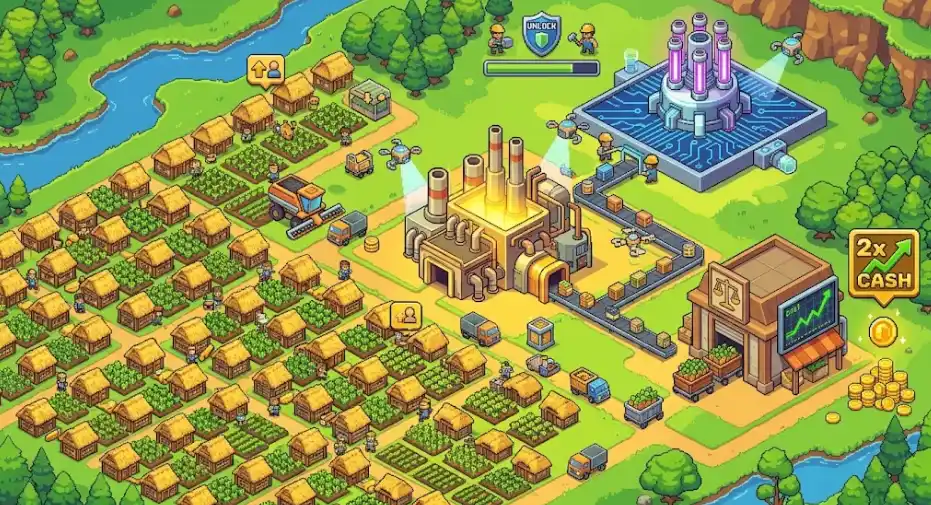
Economy Guide
Deep dive into resource management, income optimization, building ROI analysis, and economy-first strategic approaches.
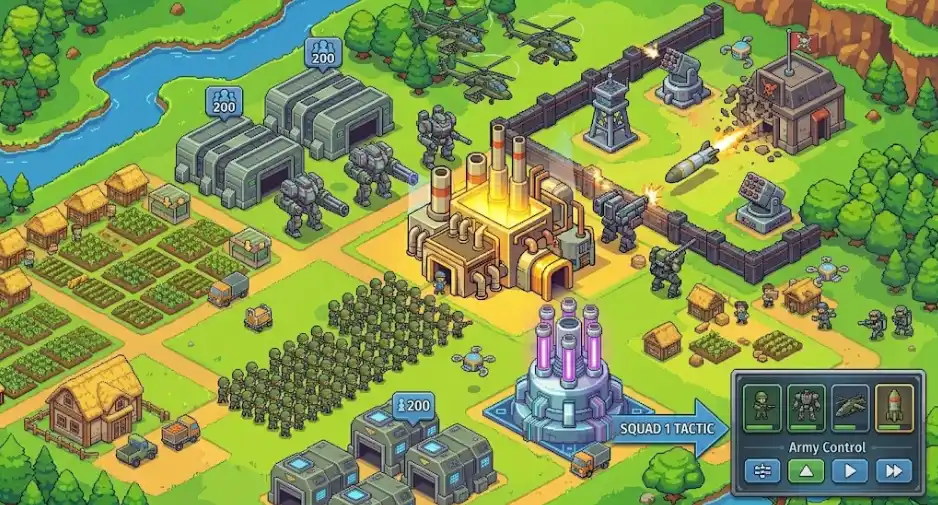
Military Guide
Complete military strategy guide covering unit types, combat mechanics, production chains, and offensive timing windows.
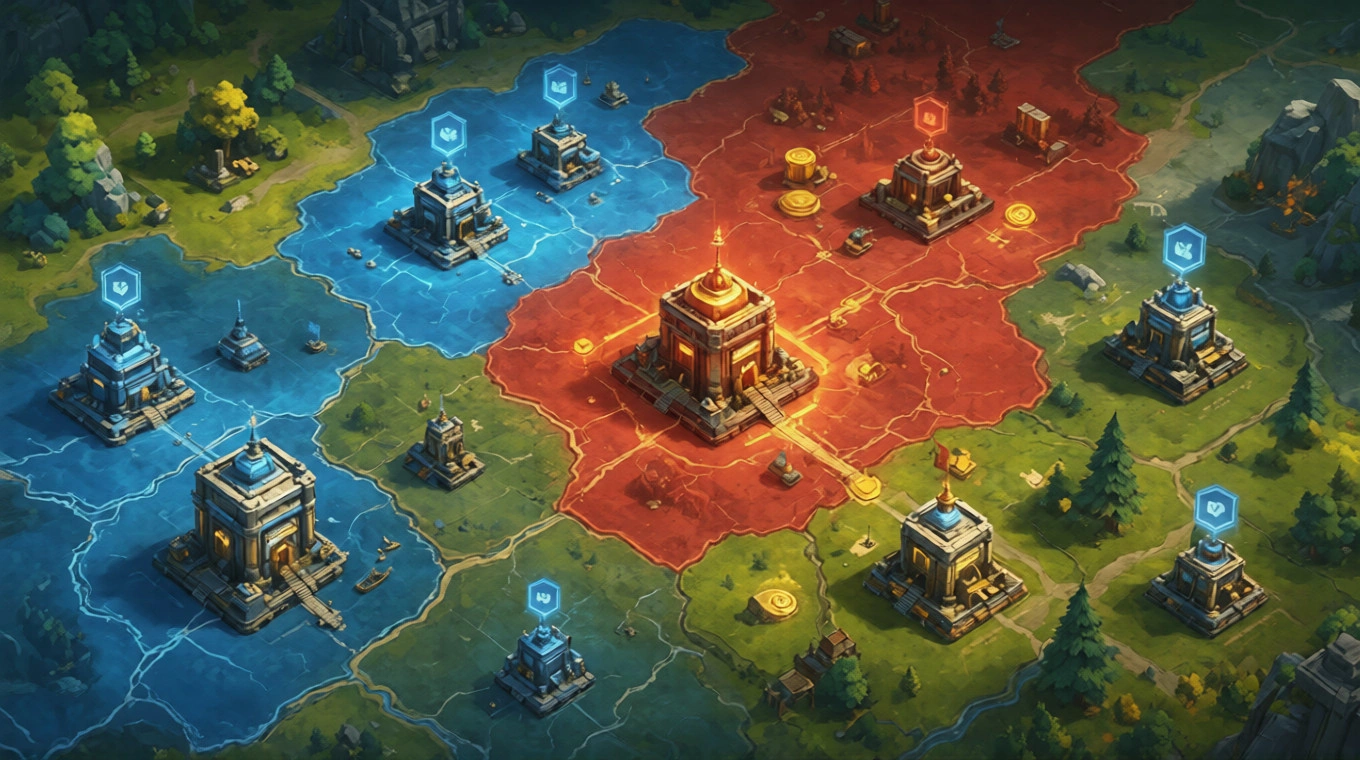
Territory Guide
Territory expansion analysis including map control principles, forward base construction, and denial strategies.
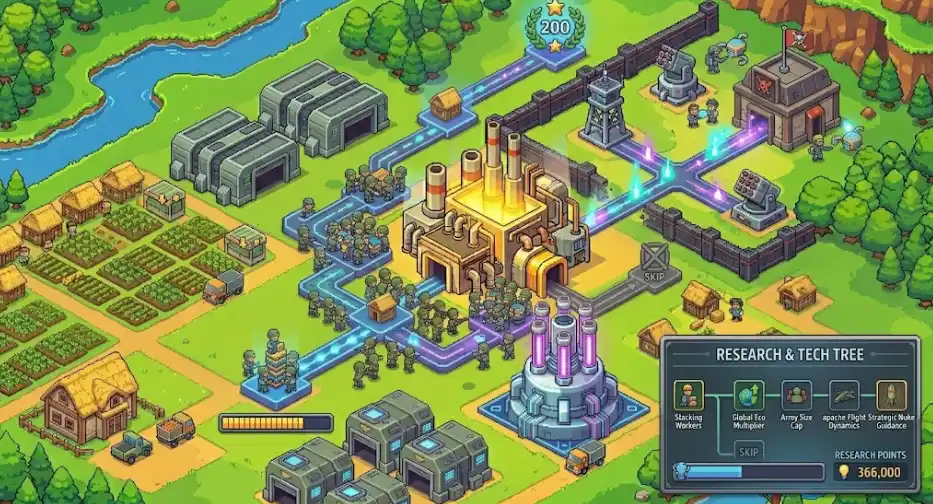
Tech Tree Guide
Technology research guide covering upgrade priorities, research timing, and the strategic impact of each tech tier.
Learning Path
The recommended learning path progresses from fundamentals to advanced concepts. Start with the Beginner Guide to understand core mechanics like resource gathering, unit production, and basic combat. Then move to the Economy Guide to master income optimization—the skill that most determines long-term success in Mini War.
Once economy fundamentals are solid, the Military Guide teaches combat mechanics and timing windows. The Territory Guide then shows how to convert military advantage into map control. Finally, the Tech Tree Guide covers research optimization, completing the strategic plan. Each guide builds on concepts from the previous ones, creating a coherent knowledge base.
Guide Philosophy
Every guide on this site is written from the perspective of RTS strategy analysis rather than casual gaming advice. The content focuses on macro decision-making, resource efficiency, timing optimization, and scaling principles—the same analytical plan used in competitive strategy communities for games like StarCraft, Age of Empires, and Civilization.
This means guides emphasize understanding over memorization. Rather than providing rigid build orders to copy, the guides explain why certain decisions are optimal so players can adapt to any situation. The strategy tools complement the guides by providing calculators that illustrate the mathematical principles behind strategic recommendations.
Complementary Resources
- Active Codes - Redeem codes for economy boosts that accelerate learning
- Tier List - Rankings that reflect the strategic principles from each guide
- Blog - Advanced analysis building on guide foundations
- News - Meta updates and balance changes that may affect guide content
- Wiki - Quick reference for specific game mechanics and systems
Frequently Asked Questions
New players should start with the Beginner Guide to learn core mechanics and basic strategy. Experienced players can jump directly to the guide that matches their current learning focus.
Guides cover fundamental strategic principles and connect to the current tier list when meta context matters.
Each guide is self-contained, but they complement each other. Players aiming for competitive play will benefit from reading all five guides to develop a complete strategic understanding.
Guides provide the knowledge foundation, strategies show how to apply that knowledge, and build orders provide the specific execution sequence. All three sections should be used together for maximum improvement.
The blog section contains advanced strategic analysis that builds on the foundational guide content. Topics include meta evolution, military scaling economics, and ROI optimization theory.